Benchmarking & Productivity
Benchmarking and productivity analysis is increasingly being used by economic regulators to find the efficient level of expenditure that regulated businesses need in order to deliver services to consumers. Understanding the gap between regulated businesses and the efficiency frontier, and the frontier shift from industry wide technical progress, is paramount for both the regulators and regulated businesses to perform at their peak for consumers they serve.
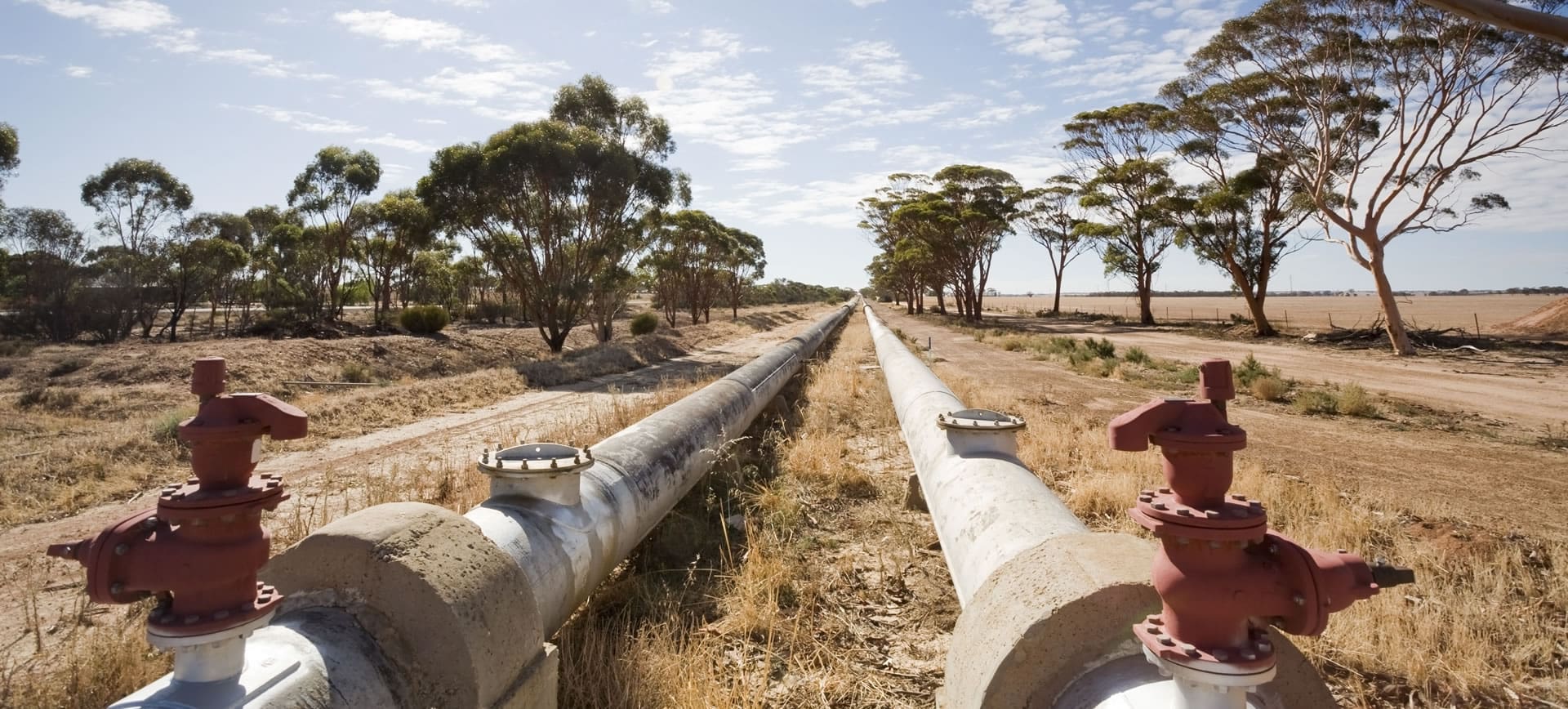
Since 1999, Frontier Economics has been helping regulators and regulated businesses to develop and implement benchmarking and productivity analysis to assess the efficiency of historical expenditure and to set revenue allowances.
- Benchmarking (or comparative efficiency analysis) is used to estimate the distance between a regulated business and the efficient frontier for the industry. This ‘gap’ is used to find the level of ‘catch up efficiency’ that the business needs to achieve in order to operate efficiently.
- Productivity analysis is used to estimate the rate at which the efficient frontier is shifting over time due to industry wide technical progress. This ‘frontier shift’ is used by regulators to set productivity and ongoing efficiency targets for regulated businesses.
We advise clients on benchmarking and productivity analysis in a range of regulated industries including electricity networks, gas pipelines, rural and urban water networks, airports and telecommunications infrastructure.
Advanced quantitative techniques to deliver practical advice
Our team of experts are a unique mix of regulatory economists with decades of experience, and academics in the fields of efficiency and productivity analysis, statistics and econometric modelling. Much of our advice is based on published peer reviewed papers on efficiency and productivity analysis in top-ranked journals.
Our economic advisory can help with:
- Governments needing to implement industry reforms, such as amalgamations of infrastructure businesses supplying essential services.
- Modelling the impact of planned efficiency programs on business performance. For example, we have developed ‘dashboards’ of efficiency and productivity metrics that companies can use to track their performance over time as efficiency programs are implemented, and to report progress to their senior management, Boards and shareholders.
- Expert reports on benchmarking and productivity analysis that are used by regulated businesses to inform their expenditure proposals to regulators.
- We have also advised bidders for major network assets on how regulators apply benchmarking and productivity analysis to set revenue allowances.
- Legal appeals for regulated businesses that have challenged the regulators’ application of benchmarking analysis.
We have extensive experience applying a range of benchmarking and productivity analysis techniques, including:
- Total Factor Productivity (TFP) and Partial Factor Productivity (PFP) analysis
- Stochastic Frontier Analysis (SFA)
- Least Squares Econometrics (LSE)
- Corrected Ordinary Least Squares (COLS)
- Data Envelopment Analysis (DEA)
- Partial Productivity Indicators (PPI)
Our benchmarking team
All peopleCase studies & insights
All insightsRegulation of aviation services charges | Malaysian Aviation Commission
View our case study on how we helped the Malaysian Aviation Commission develop a transitional regulatory framework and aviation services charges.
Insights from the Cunliffe Review: Lessons for Water Regulation
Frontier Economics Europe examines the Cunliffe review of the UK water sector, highlighting regulatory reform insights and lessons for the Australian water...
Wasted talent - allocative efficiency in the construction industry
We take a look at the concept of allocative efficiency in the workforce and potential productivity impacts in the construction industry.
Working on a benchmarking question?
Ask us