Back to insights
Case study | 28 February 2023

WWF-Australia | Transition support for the NSW native forest sector

View our case study on how we helped WWF-Australia on their quest to end public native forest logging in NSW.

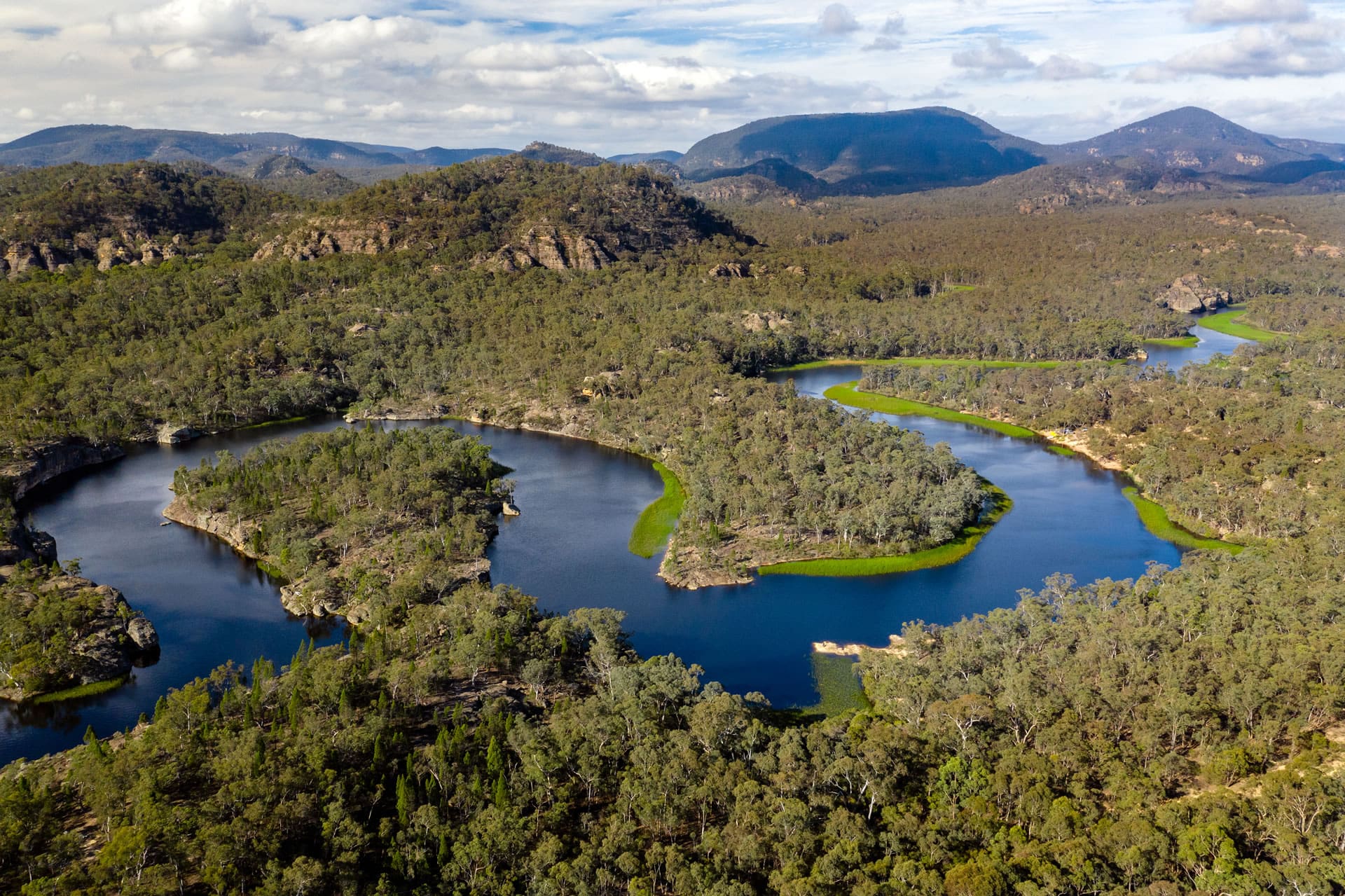
Photo of trees in the forrest

What was the challenge?

The New South Wales (NSW) native forest sector has been contracting over a long period as publicly provided wood supply has fallen to more sustainable levels. The 2019/20 Black Summer fires has compounded this trend, significantly reducing sustainable wood supplies, particularly in the South Coast and Tumut regions.

This shock to the sector, economy and regional communities combined with an increased recognition of the significantly higher value that standing native forests offer in comparison to logging, provides an opportunity to reconsider resource. Other states including Victoria and Western Australia facing similar issues have made a decision to end the native forest logging.

In this context, Frontier Economics was engaged by WWF-Australia to develop an understanding of the likely impact of Forestry Corporation of NSW (FCNSW) ceasing native forest logging and the structural adjustment design principles which could support a transition for the sector.

The report also contributed to the development of WWF-Australia’s Trees Scorecard.

$302m
Estimated government-funded structural adjustment required
▼1,070
Declining employment in public native forestry
$323m
Plantation expansion cost

How did we complete the economic modelling and analysis?

We were engaged by WWF–Australia to consider options for the design of appropriate structural adjustment arrangements that would accompany a decision to end public native forest logging in NSW. Our Report, Transition support for the NSW native forest sector, outlined a design and cost estimate of such structural adjustment supports.

What were the results?

Rachel Lowry, Acting CEO, WWF–Australia explains,

This report was not commissioned to ignite or exacerbate ‘forestry wars’. Instead, it is designed to inform and motivate critical solution-focussed discussions, ideally led by the NSW Government.

Our report found that Forestry Corporation of NSW’s (FCNSW’s) native forest logging business appears to offer poor financial returns to NSW taxpayers, with some parts of the hardwood business unlikely to be covering costs. There is also clear evidence that the value of the native forest would be higher as a standing resource.

A comprehensive structural adjustment package should accompany the decision to cease the remaining native forest logging activity by FCNSW. This package would support impacted employees, firms and communities during the transition.

The estimated cost of the government-funded structural adjustment is $302 million in total.

This includes:

  • Up front structural adjustment funding of $244 million. This covers payments to support worker redundancies and retraining, capital redundancies and Wood Supply Agreement (WSA) buy-backs, and
  • Structural adjustment funding for regional economic diversification of $58 million, spent over a 10-year period.

Complementing a structural adjustment support package, the NSW Government may invest in increased plantation resources. The Victorian and West Australian governments have announced funding for plantations of $110 million and $350 million, respectively.

DOWNLOAD THE REPORT

Related reading

All insights

What can we help you with?

Ask us

Get our latest insights

Sign up