Back to insights
Case study | 6 December 2022

A4ANZ | An Australian roadmap for sustainable flying

View our case study on how we helped develop the Australian Roadmap for Sustainable Flying: Reaching Net Zero by 2050, an initiative of Airlines for Australia and New Zealand (A4ANZ).

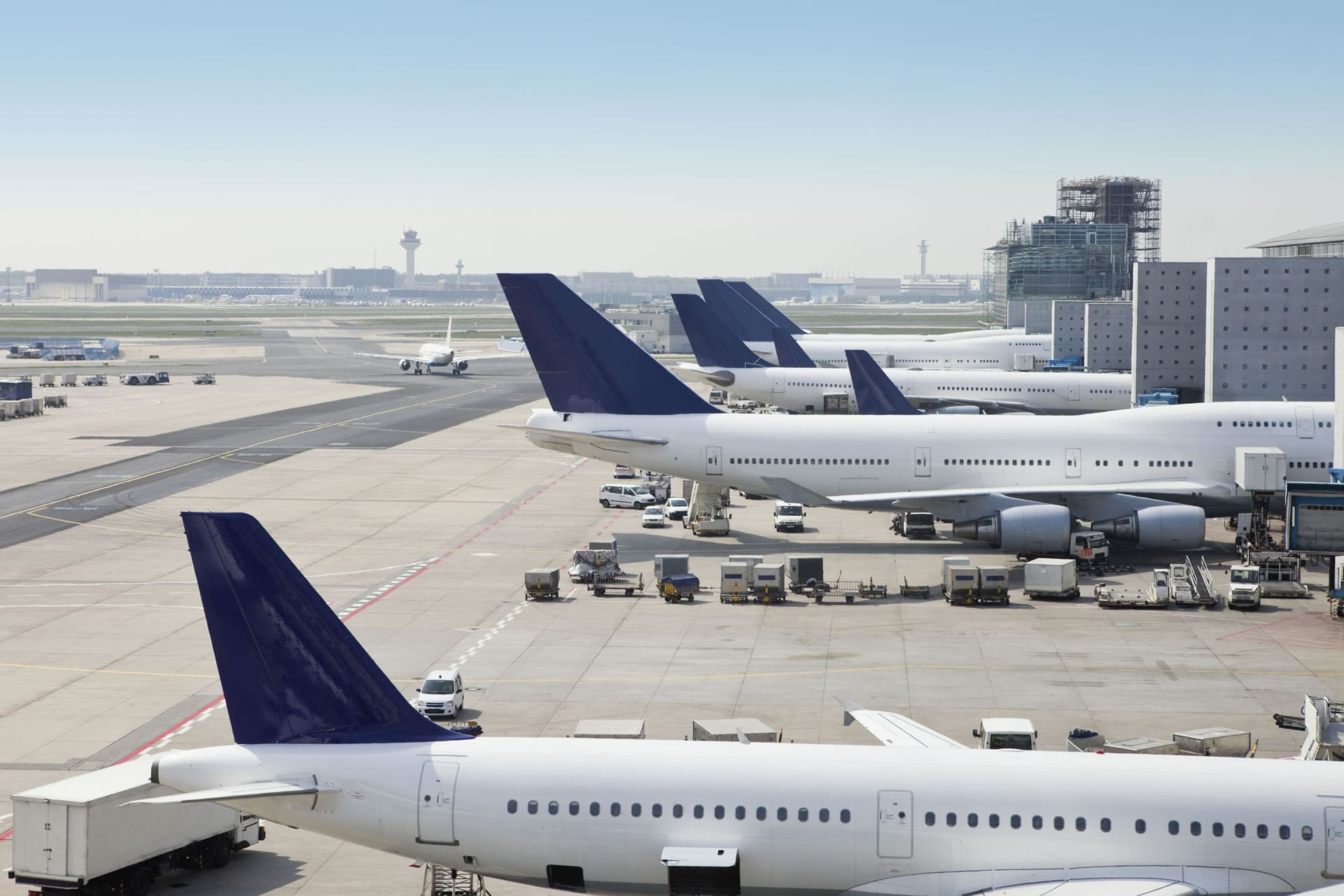
airplanes at airport

What was the challenge?

As Australia’s aviation sector has grown, so too have its emissions. As we face into a global climate crisis, the aviation sector is aware of its responsibilities to decrease emissions. The Australian Roadmap for Sustainable Flying: Reaching Net Zero by 2050 was initiated by Airlines for Australia and New Zealand (A4ANZ) on behalf of its members. These members include Air New Zealand, Jetstar, Qantas, Rex and Virgin Australia.

Frontier Economics was engaged to undertake the modelling and analysis which underpins this Roadmap. Specifically, to model the emissions reduction potential of various abatement options for meeting net zero by 2050.

Efficiencies through the optimisation of flight paths and air traffic management operations
Economic or market-based measures (i.e. carbon offsetting)
Efficiency gains from improvements in engine and aircraft technology, including through fleet modernisation, and the potential use of hydrogen and electric planes
Deployment of Sustainable Aviation Fuels (SAF)

How did we complete the economic modelling and analysis?

This modelling produced two scenarios, based around the largest viable contributor to emissions reduction – the replacement of conventional jet fuel with Sustainable Aviation Fuels (SAF).

The first was a conservative projection, using assumptions of SAF uptake by airlines based on previously-announced SAF purchasing commitments by Australian airlines and fuel blending targets consistent with those mandated in other jurisdictions.

The second, a more ambitious projection, assumes an almost total replacement of conventional jet fuel with SAF by 2050, and relies on strong industry and government commitment, and a supportive policy environment. This second scenario envisages a greater contribution from measures that reduce gross emissions – the utilisation of SAF, as well as the implementation of new technology, and operational efficiencies – enabling a reduced reliance on carbon offsets.

Both scenarios – with the modelling and its associated inputs and assumptions – were benchmarked against existing international roadmaps.

What were the results?

The recommendations in the Roadmap broadly outline what is required to facilitate the aviation sector to reach its full potential in achieving the ambitious pathway to net zero emissions by 2050. They are not intended to be an exhaustive list of actions that governments could take, and the industry will continue to contribute to more detailed policy development both through the Australian Jet Council and in other forums.

The recommendations broadly outline what is required to facilitate the aviation sector to reach its full potential in achieving the ambitious pathway to net zero emissions by 2050:

  • Deployment of Sustainable Aviation Fuels (SAF)
  • Efficiency gains from improvements in engine and aircraft technology, including through fleet modernisation, and the potential use of hydrogen and electric planes
  • Economic or market-based measures (i.e. carbon offsetting)
  • Efficiencies through the optimisation of flight paths and air traffic management operations.

DOWNLOAD THE REPORT

Related reading

All insights

What can we help you with?

Ask us

Get our latest insights

Sign up