Back to insights
Case study | 17 March 2025

Flood resilient schools | Government Education Department

View our case study on how we helped a Government Department of Education quantify costs to build flood resilient schools.

What was the challenge?

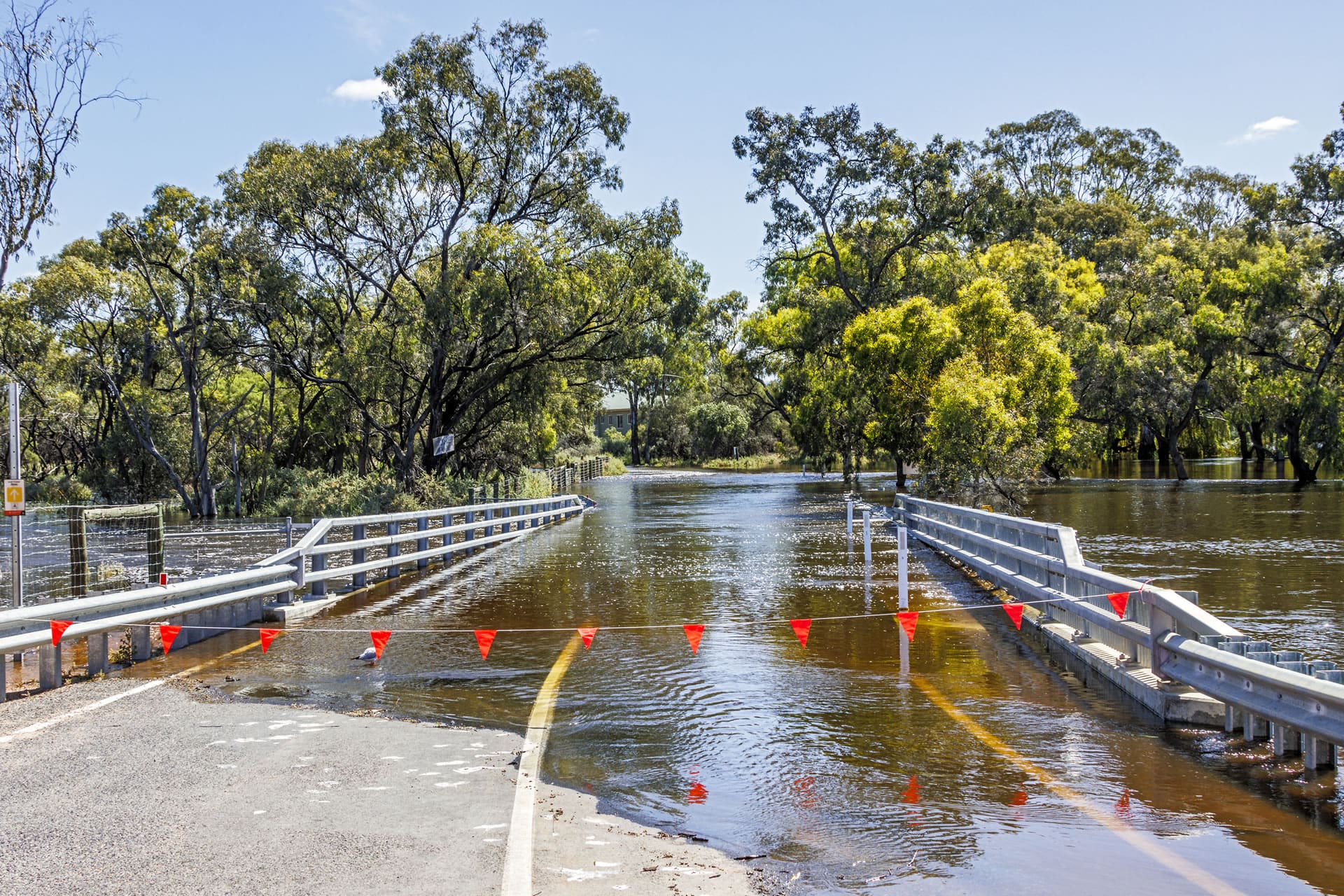
An increased likelihood of flooding presents risks for schools, community and balance sheet. Careful investment in flood resilient infrastructure can manage the physical risks of flooding while also saving the state money across the longer term.

In this context, Frontier Economics was tasked with quantifying the economic, productivity, social, and environmental benefits of rebuilding schools to a higher flood resilience standard in a populated Australian community after they were destroyed by floods.
How did we complete the economic modelling and analysis?

While the financial costs of building more resilient infrastructure are better understood, valuing the economic, social and environmental benefits of resilience can be challenging.

Using tools such as cost benefit analysis and expected net present value, we helped decision-makers consider the site-specific value of improved resilience.

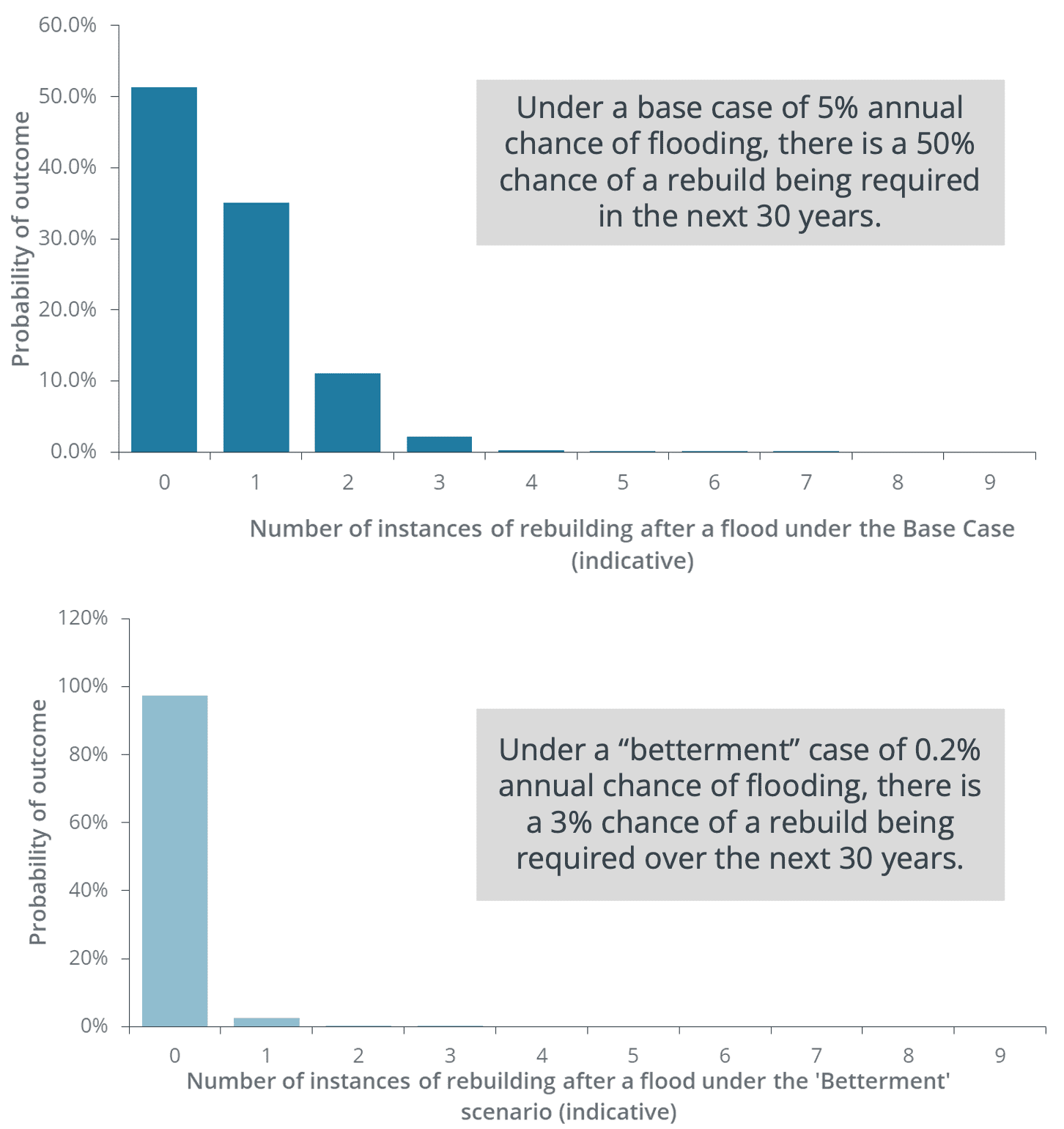
Our modelling of flood resilient infrastructure compared two scenarios:

  1. A baseline case in which a school was rebuilt to the minimum flood resilience standard, and
  2. A betterment scenario in which the school was rebuilt at a level of flood resilience over and above the minimum standard.

Across a range of schools, the analysis compared the higher costs of building to a more flood resilient standard with the value of avoiding the potentially significant costs of flood events, such as:

  • upfront and ongoing costs of rebuilding in the event of a flood,
  • the economic impact of missed schooling, and
  • the social and environmental cost of moving to alternative schooling arrangements.

What were the results?

Our analysis considered a range of benefits including economic, environmental, and social benefits.

It found that the betterment option could reduce the consequence of a flood event, by reducing the chance that a school was inundated. Economic benefits varied depending on the chance of a flood occurring, which is inherently uncertain.

Using break-even analysis in recognition of this uncertainty, we found that if the likelihood of flooding under the Base Case was 1 in 100, the betterment option would always deliver additional value to the community. This suggests that there may be value in improving our understanding of the likelihood of inundation.

There were also a range of unquantified benefits from a lower risk of disrupted schooling.

These included:

  • improved mental health of students,
  • higher productivity,
  • improved social cohesion,
  • lowered costs of temporary schooling, and
  • avoided impacts on other schools from taking in flood-affected students.

Related reading

All insights

What can we help you with?

Ask us

Get our latest insights

Sign up