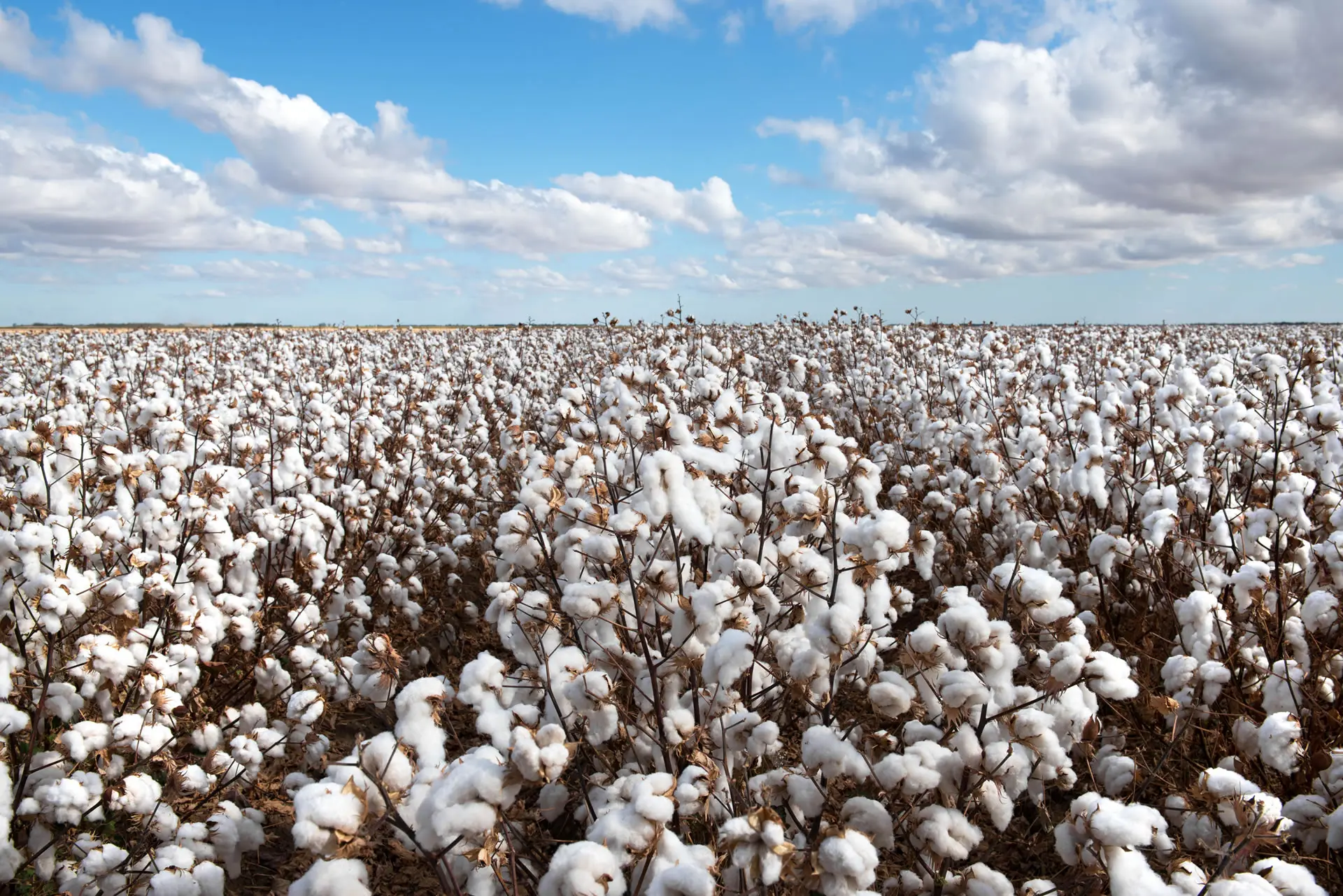
Can Lower-Emission Cotton Pay? Farm economics and carbon at the Australian Cotton Conference 2026
Explore the economics of lower-emission cotton, including fertiliser efficiency, carbon prices, farm profitability and emissions reduction.

Hugh McCormack is an economist focusing on agricultural resource economics, rural water and sustainability sectors at Frontier Economics.

Biography
Hugh is an economist at Frontier Economics specialising in agricultural and resource economics, urban and rural water, energy and sustainability. He advises government and industry on policy design, regulatory assessments, and investment decisions, with expertise in cost–benefit analysis, socio-economic impact assessment, market valuation and policy evaluation.
Hugh works on projects such as:
Before joining Frontier Economics, Hugh worked for a private consultancy agronomy firm, servicing irrigated cotton farms in western NSW, and as a farm manager in north-west NSW.
He holds a Bachelor of Agriculture and Resource Economics from the University of New England. His First Class Honours Thesis examined the economic viability of reducing the carbon footprint of irrigated cotton farms through enhanced efficiency fertilisers. It used whole-farm budget analysis, sensitivity testing and stochastic modelling. The paper is currently under review for publication.
In Asia-Pacific, we do this from offices in Australia and Singapore. We work as a single team with expertise and people brought together as required by the problem we are solving for our clients. Reach out to any of our economists and consultants to find out how we can help you.
Explore the economics of lower-emission cotton, including fertiliser efficiency, carbon prices, farm profitability and emissions reduction.
We explore our independent economic analysis for Murray River Council and Greater Shepparton City Council on environmental water management and the...
We contributed to the independent review of the Great Artesian Basin, finding groundwater-dependent sectors now generate $33.2 billion annually, alongside $1.6...
What can we help you with?
Ask us